
Echoes of a classic streaming era
Google Play Music was a free, integrated app pioneering music streaming and cloud locker service launched by Google in 2011 that let users stream track playlists, purchase music, and upload their own libraries to the cloud for anywhere access.

Unlock your creativity with Adobe Stock
Get 10 images or 1 video with a free trial
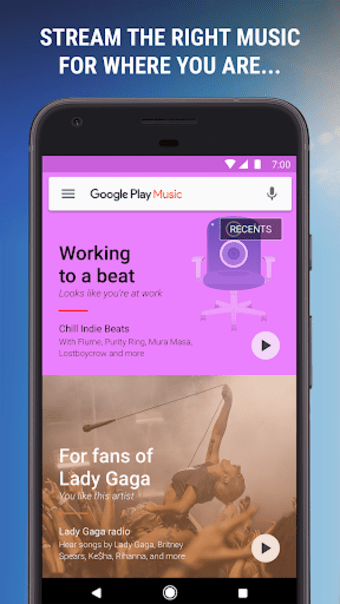
For years, Google Play Music offered a combination of on‑demand streaming, radio stations, curated playlists, and personal music upload support — a blend that appealed to Android users and anyone who wanted a flexible, hybrid music service. Unfortunately, the app was fully discontinued by late 2020, with users transitioning to YouTube Music.
The tune that played too short
Google Play Music stood out for letting users upload up to 50,000 personal tracks to the cloud and stream them alongside purchased and catalog music, a feature few competitors offered at the time. This personal upload locker was especially beloved by users with large collections or rare tracks not available on streaming platforms. Integration with Android and Chromecast helped make the service feel deeply embedded in the Google ecosystem.
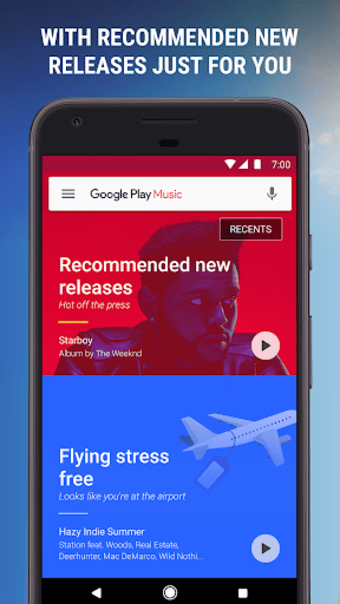
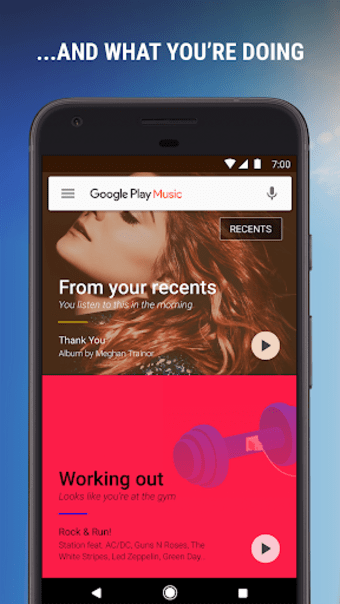
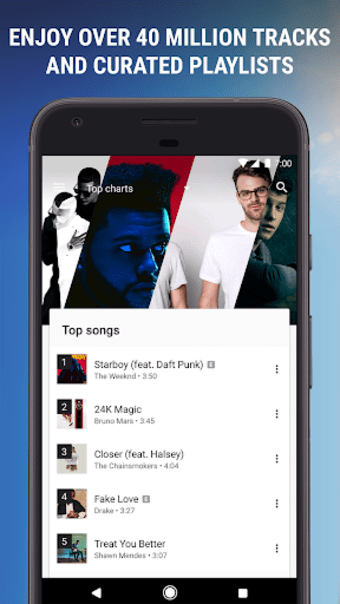
The interface for Google Play Music was clean and generally intuitive, with tabs for Library, For You, Browse, and Radio. Users could easily search for artists, albums, and playlists, stream curated radio stations, and manage their uploaded music. However, over time many felt the app was somewhat neglected in favor of newer competitors like Spotify and Apple Music, with incremental updates slowing down long before its shutdown.
The migration
In 2018, YouTube Music eventually replaced Google Play Music, and by late 2020, the switch was complete, with users encouraged to transfer their libraries, playlists, and metadata to the new platform. Once the transfer period ended, Google Play Music was fully shut down, and any unmigrated content was permanently deleted. This transition was met with mixed reactions: some appreciated the successor’s evolving feature set, while others lamented the loss of features.
Currently, this music app lives on largely in nostalgia and legacy app archives, with some users still able to access old installs or stumble upon remnants on old devices, reminding them of a once‑valuable service. Online discussions often contrast Play Music with YouTube Music and other modern services, with some users noting that legacy features like cloud uploads and recommendation engines were uniquely valuable and missed, even if successors have improved streaming recommendation systems.
Final chord of a lost favorite
Google Play Music remains remembered as a flexible service that blended streaming with a personal music locker, allowing users to upload and access large libraries anywhere — a feature still missed today. While YouTube Music has carried the baton forward, many fans still feel that Google Play Music ended too soon, leaving behind nostalgia for its simplicity and unique functionality. Its legacy continues to echo among long-time users and archived installations.